Entry · Ref SBX4E_PP
A practical prevention checklist for ant-prone homes
- Posted
- 2026-11-23
- Last amended
- 2026-11-23
- Account
- @thehousesentinel
Why ants keep finding their way in
Ants enter homes for three reasons: food, water, and shelter. A few scouts become a steady trail, and a trail often leads back to a colony somewhere in the yard or under the foundation. Stopping them before they settle means looking at the places they use to get inside and the conditions that keep them coming back. This checklist covers the most common opportunities ants exploit and what to do about each one.
Seal foundation cracks and gaps
Ants are small. A crack that looks harmless to a person is a highway for a sugar ant or a carpenter ant scout. Walk the outside of the house at ground level and check where the foundation meets the siding, where pipes enter the wall, and around window frames. Fill any gap larger than a credit card's thickness with a quality exterior caulk or expanding foam made for pest exclusion. Pay extra attention to corners where different building materials meet. Even a gap that seems too narrow for an ant is wide enough for a determined worker. Once ants find a gap, they mark it with pheromones, and others follow. Sealing it breaks that chemical trail before it becomes a problem.
Eliminate moisture near the foundation
Moisture damage attracts ants, especially carpenter ants, which nest in damp wood. Check gutters and downspouts: water spilling close to the foundation keeps the soil wet and softens the wood sill plate. Downspouts should extend at least four feet away from the house. Also look for leaking hose bibs, air conditioner condensate lines that drip against the foundation, and poor grading that lets rainwater pool. A dry perimeter is far less inviting to ants and to the termites and fungi that can weaken the structure. If you find a persistently damp area, fix the source rather than just covering it up. That may mean regrading soil so it slopes away, adding a French drain, or repairing a leaking pipe. Ants are excellent at finding moisture, so removing it cuts off one of their primary needs.
Trim vegetation and remove debris
Branches that touch the roof or siding provide a bridge for ants. Shrubs planted too close to the house create shaded, humid microclimates that ants love. Keep all vegetation at least 12 to 18 inches away from the foundation. Mulch is another common attractor: wood mulch holds moisture and offers shelter. If you use mulch, keep it light and avoid piling it against the siding. Instead, use a thin layer that does not touch the wood. Also clear away leaf litter, stacked firewood, and piles of lumber from against the house. These materials hold moisture and give ants a place to nest right next to your walls. A clean, open perimeter gives ants less cover and fewer reasons to stay.
Inspect and seal entry points inside
Entry points are not only on the outside. Check the insides of cabinets under sinks, around baseboards, and along the edges of floors where they meet walls. Ant trails often appear along the same routes: along baseboards, under the edge of carpet, or behind appliances. Seal any gaps with caulk or a silicone-based filler. For very small cracks, a dab of caulk is enough. Pay attention to areas where plumbing pipes come through the wall. These gaps are often left unfinished after construction or remodeling. A foam sealant works well there because it expands to fill the space. Once you seal these interior routes, you stop the ants that have already made it inside from moving freely between rooms.
Store food in airtight containers
Ants are foragers. Open food packages, crumbs, and spills give them a reason to keep exploring. Store dry goods like cereal, flour, sugar, and pet food in containers with tight-fitting lids. Wipe down countertops and sweep floors daily, especially in the kitchen. Take out the trash regularly and keep the bin clean. A small crumb under the toaster can feed a whole colony for days. Even a clean kitchen can attract ants if there are spills in hard-to-reach places like behind the refrigerator or under the stove. Pull those appliances out once a month and clean thoroughly. The goal is not to live in a sterile environment but to remove the easy food sources that make your home worth the journey for an ant scout.
Use bait stations strategically
Bait stations are one of the most effective tools for controlling an established ant problem. They work because ants carry the poison back to the colony, killing the queen and the rest of the nest. Place stations along ant trails, near entry points, and in areas where you have seen activity. Do not spray repellent insecticides near the bait because that will scare ants away from the bait. Let the ants feed freely. It may take a week or two to see results, but baiting is far more effective than spraying a line that only kills the workers you see. For homes that struggle year after year, bait stations placed in the same locations seasonally can help with recurring ant infestations. The key is to use the right bait: sugar-based baits for sugar ants and protein-based baits for carpenter ants. If you are unsure which species is inside, place both types in separate stations and see which one gets visited more often.
Monitor ant trails and identify the species
Knowing which ant you are dealing with changes how you respond. Carpenter ants are large, black or dark brown, and they nest in wood that is already moist. They do not eat the wood; they tunnel through it to build their nest. Sugar ants are small and attracted to sweets. They often trail along baseboards and countertops. Pavement ants nest under concrete and enter through cracks in the slab. Look at the ants themselves: their size, color, and the pattern of their trail. If you see sawdust-like material mixed with ant body parts, that is a sign of carpenter ants and means there is likely a nest inside a wall or beam. Identifying the species helps you choose the right bait and the right exclusion tactics. It also tells you whether the problem is a single nest or multiple colonies. For persistent problems that do not respond to simple measures, professional help with recurring ant infestations may be necessary to locate hidden nests and treat them directly.
Check for hidden nests in walls and attics
Ants sometimes nest inside the house itself, especially in wall voids, under insulation, or in attic spaces. Signs of a hidden nest include rustling sounds in the wall, small piles of frass (insect droppings and debris), or ants emerging from a crack that seems to lead nowhere. Carpenter ants are the most likely to establish a nest indoors, but other species can too. If you suspect a nest inside, do not seal the exit hole until you have treated it. Sealing without treating just forces the ants to find another exit, often into another room. A professional can use a stethoscope to listen for activity or inject a dust insecticide into the void. Treating a hidden nest requires knowledge of where the colony is and how to reach it without damaging the wall.
Create a seasonal maintenance routine
Ant prevention is not a one-time task. Spring and fall are the most active times for ant colonies, so plan a walk-around at the start of each season. In spring, check for new cracks, reapply caulk where it has dried or pulled away, and trim back any vegetation that has grown since last year. In fall, clear gutters and make sure the foundation is dry before winter sets in. Keep a log of where you see ants each year; patterns emerge, and you can target those areas before the ants arrive. A few minutes of inspection each season saves hours of dealing with an infestation later. If you notice that the same spot keeps producing ants year after year, there may be a hidden nest or a structural issue like a leaking pipe that needs repair. Address those root causes rather than just treating the symptoms.
When to call a professional
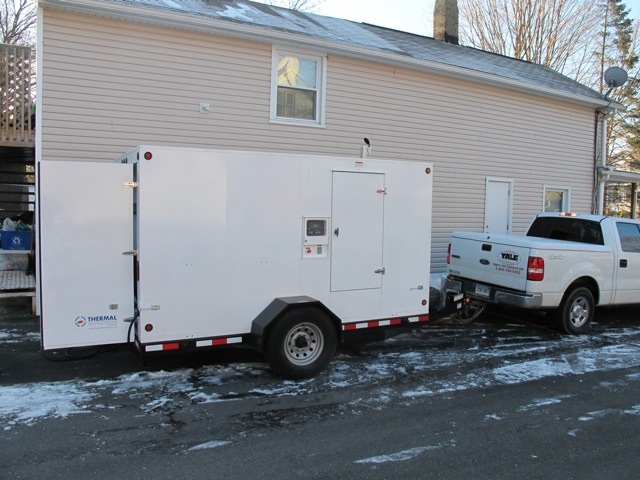
Some ant problems go beyond what a homeowner can handle with caulk and bait. If you have tried sealing entry points, removing moisture, and using bait stations but the ants keep returning, the colony may be deep inside a wall or under the foundation. Large carpenter ant nests can weaken structural wood over time. A professional pest control service can inspect the property thoroughly, identify all entry points and nesting sites, and apply treatments that reach the heart of the colony. They have access to products and equipment that are not available to the public, and they know how to use them safely around children and pets. For a home that is truly ant-prone, a combination of exclusion, baiting, and periodic professional treatment is the most reliable way to keep the colony from coming back.